Dubai Safari Park is far more than a wildlife attraction — it is a living, breathing center for conservation, research, and education. The park plays a critical role in protecting biodiversity both regionally and globally. In this article, we explore the animals that call Dubai Safari Park home and the groundbreaking wildlife conservation efforts that make this park a leader in the UAE and beyond.
The Conservation Mission
At the heart of Dubai Safari Park lies a deep commitment to preserving wildlife for future generations. The park operates under a comprehensive conservation strategy that encompasses endangered species breeding programs, habitat restoration, veterinary research, and public education. This mission aligns perfectly with the UAE's broader environmental goals, including the National Biodiversity Strategy and the Dubai Clean Energy Strategy.
Unlike traditional zoos that focus primarily on display, Dubai Safari Park integrates conservation into every aspect of its operations. From the design of animal enclosures that mimic natural habitats to the specialized nutrition programs developed by in-house veterinarians, every decision is guided by the welfare and preservation of the species.
Iconic Species and Their Stories
The Arabian Oryx: A Symbol of Hope
Perhaps no animal better represents the success of conservation in the UAE than the Arabian oryx. Once extinct in the wild, this majestic antelope has been brought back from the brink through dedicated breeding programs — and Dubai Safari Park is at the forefront of this effort. The park's oryx herd participates in international studbooks, with offspring being reintroduced to protected reserves across the Arabian Peninsula.
Visitors to the Arabian Desert Safari zone can observe these elegant creatures in a landscape meticulously designed to replicate their natural habitat, complete with native vegetation and rolling sand dunes.
The White Rhino: Breeding for Survival
Dubai Safari Park made headlines with the birth of Salam, a southern white rhino calf, in early 2026. This birth was not merely a celebration — it was a significant contribution to the global population of a species classified as Near Threatened. The park's rhino breeding program follows strict international protocols, with veterinary teams monitoring every aspect of the animals' health, diet, and reproductive cycles.
Giraffes: Towering Ambassadors for Conservation
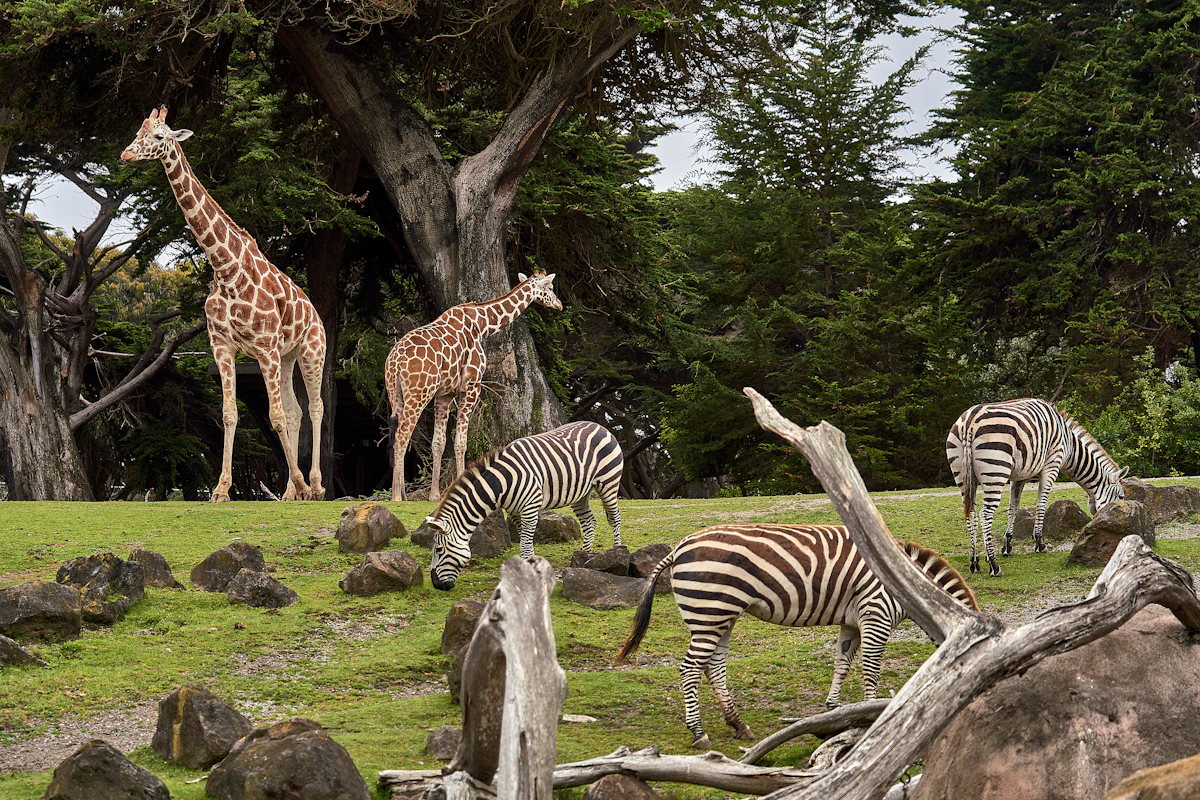
The park's giraffe population, including the recently born calf Zuri, serves as an ambassador species for African wildlife conservation. With giraffe numbers declining by approximately 40% across Africa over the past three decades, education about their plight is more important than ever. The park's interactive feeding encounters give visitors a personal connection to these gentle giants, while the funding actively supports anti-poaching initiatives in Kenya and Tanzania.
Big Cats: Lions, Cheetahs, and Tigers
The African Village and Asian Village house some of the park's most popular residents — its big cats. The lion pride, cheetah pair, and Bengal tigers all participate in conservation education programs that highlight the threats these apex predators face in the wild, from habitat loss to human-wildlife conflict. Daily enrichment activities are designed to physically and mentally stimulate them, encouraging natural hunting and play behaviors.
Breeding Programs and Research
Dubai Safari Park maintains active participation in over 25 international breeding programs coordinated by the EAZA (European Association of Zoos and Aquaria) and WAZA (World Association of Zoos and Aquariums). These programs manage the genetic diversity of captive populations and coordinate reintroduction efforts for species on the brink of extinction.
The park's on-site research facility collaborates with universities across the UAE and Europe. Recent research projects include:
- Investigating the optimal diet for captive Arabian oryx to maximize reproductive success.
- Studying social dynamics within the park's lion pride to improve welfare standards.
- Developing non-invasive health monitoring techniques for large mammals.
- Researching heat tolerance in African species to improve care during Dubai's summer months.
Veterinary Excellence
The park's 24/7 veterinary hospital is one of the most advanced wildlife medical facilities in the Middle East. Staffed by specialists in exotic animal medicine, surgery, and dentistry, the hospital handles everything from routine check-ups to emergency procedures. The facility includes a fully equipped surgical theater, diagnostic imaging suite, and a laboratory capable of running advanced pathology tests on-site.
Education and Community Engagement
Conservation cannot succeed without public support, and Dubai Safari Park invests heavily in education. The park hosts over 50,000 students annually through structured school programs that teach children about biodiversity and sustainable living. Adult visitors can attend keeper talks, conservation workshops, and behind-the-scenes tours.
The park's Wildlife Innovators Competition challenges UAE students to develop creative solutions to real conservation problems. The 2025 winner — a Smart Bee Hive designed to address pollinator decline — demonstrates the incredible potential of engaging young minds in environmental stewardship.
How You Can Support Conservation
Every ticket purchased directly supports these vital conservation efforts. You can amplify your impact by:
- Participating in paid encounters like giraffe feeding, where proceeds fund field conservation.
- Purchasing sustainably sourced products from the park's gift shop.
- Sharing your experiences on social media to raise global awareness.
Looking Ahead to Season 8
As Dubai Safari Park continues to expand its conservation programs, the future looks incredibly promising. Planned initiatives for 2026–2027 include expanded partnerships with African conservation organizations, the launch of a native UAE species reintroduction program, and the development of a state-of-the-art marine wildlife rehabilitation center.
While Dubai Safari Park is currently resting for the summer months, our conservation work never stops. As we prepare to open our doors for an unforgettable Season 8, remember that your future visit makes you an active participant in one of the most important conservation stories of our time. Keep an eye on our tickets page and get ready to discover the incredible wildlife inspiring a new generation to protect our planet.